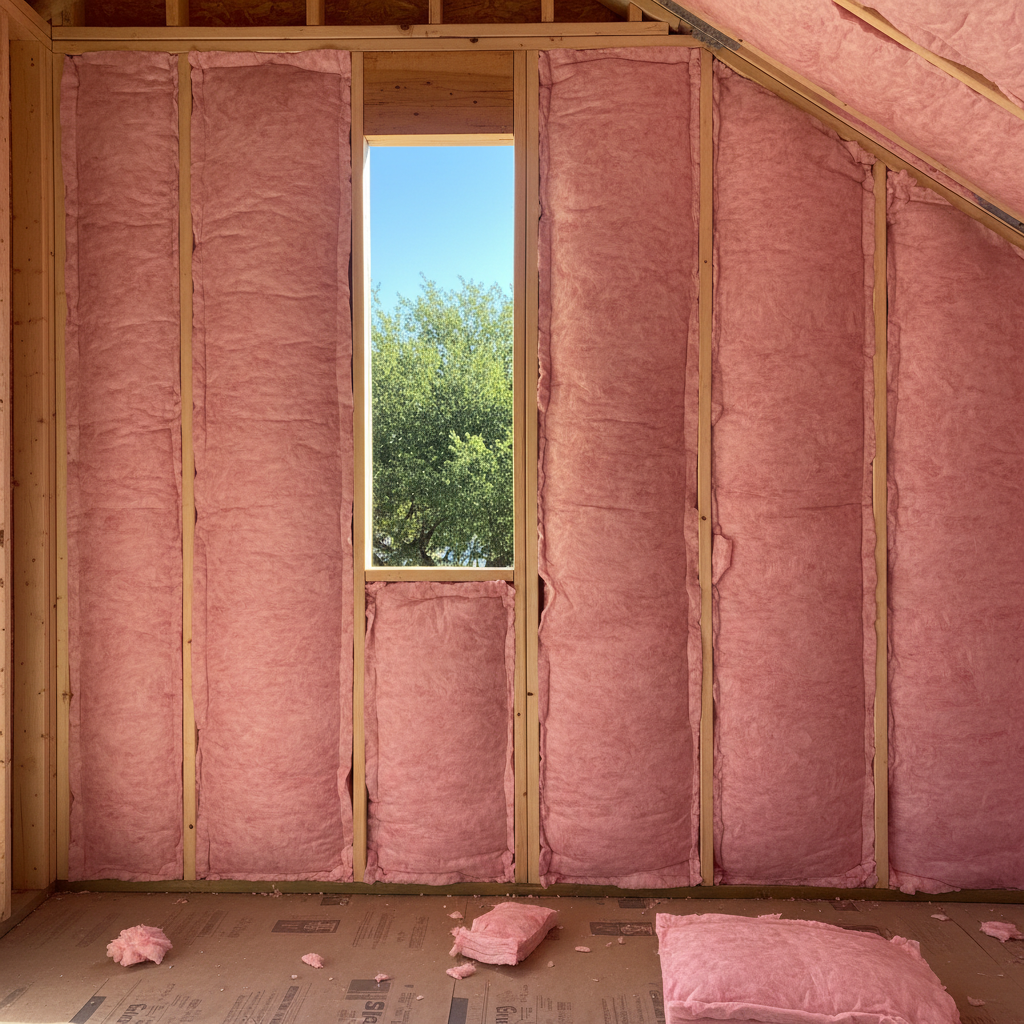
Thinking About DIY Batt Insulation? Read This First.
So, you're staring at your energy bill and thinking, "Hey, maybe I can tackle some insulation myself." Good for you! Batt insulation — those big rolls or pre-cut pieces of fiberglass or mineral wool — looks pretty simple, right? For some spots in your house, it absolutely can be a manageable DIY project. But for others, you're definitely better off calling in the pros. I've been doing this for years here in Schertz, and believe me, I've seen it all. I want to give you the real lowdown on what you can realistically do and when it's time to just pick up the phone.
First, let's talk about where batt insulation really shines. It's fantastic for filling standard-sized wall cavities, floor joists, and attic rafters. It's usually pretty cheap, you can grab it at any local hardware store, and if you put it in correctly, it does a great job slowing down heat transfer. But that "if installed correctly" bit? That's a huge one. Any gaps, if you squish it too much, or if it gets wet — all of those things can seriously cut down how well it works.
Before You Even Buy a Single Batt
Before you even think about buying a roll, you've got to do your homework. This isn't just about grabbing the cheapest stuff you can find. Here's what you need to figure out:
Where are you insulating? Is it an unfinished attic? An exterior wall you've opened up? A crawl space? The spot you're working on totally dictates the kind of batt and the R-value you'll need.
What R-value do you need? R-value measures how well insulation resists heat flow. Here in Schertz, with our scorching summers and those occasional cold snaps, you'll want a higher R-value, especially up in your attic. For attics, we usually suggest R-38 to R-60, depending on what's already there and how much room you have. Walls are typically R-13 or R-15 for 2x4 construction, and R-19 or R-21 for 2x6.
Measure, measure, measure. You really need to know the width of your joist or stud bays (they're usually 16 or 24 inches on center) and their depth. Batts come in standard widths, so make sure you get the right size. This helps you avoid tons of cutting or, even worse, leaving big gaps.
Safety Gear is NOT Optional. Fiberglass insulation can be pretty nasty if you don't protect yourself. You absolutely need a good quality respirator (N95 or better), safety glasses, gloves, long sleeves, and long pants. Seriously, you do not want fiberglass itch. It's just miserable.
During the Installation: DIY Do's and Don'ts
Okay, you've got your gear, you've got your batts. Now for the actual work. This is where most DIYers either nail it or really mess things up.
Fit is Everything. Batts need to fit snugly but without being squished. If you compress it, you reduce its R-value. If it's too loose, you'll end up with air gaps. Cut it precisely to fit around things like wires, pipes, and electrical boxes. Don't just cram it in there; cut a piece to go around it. Think of it like a custom-tailored suit, not a potato sack.
Vapor Barrier? Maybe. In our humid climate, a vapor barrier often goes on the warm-in-winter side of the insulation. For most of us in Schertz, that means the inside of the wall or ceiling. Many batts come with a paper or foil facing that acts as a vapor retarder. Just make sure that facing is installed correctly (facing the conditioned space). If you're adding unfaced batts over existing insulation in an attic, you usually don't need another vapor barrier, because you don't want to trap moisture.
Mind the Gaps. This is probably the biggest mistake I see. Even tiny gaps around framing, electrical boxes, or vent pipes can let a surprising amount of air leak through, totally undoing all your hard work. Air sealing, honestly, is often more important than the insulation itself. Before you even put in the batts, seal up any cracks and holes with caulk or expanding foam.
Don't Block Vents. If you're working in an attic, make absolutely sure you don't block the soffit vents. These are super important for attic ventilation, especially in our hot climate. You might need baffles (those ventilation chutes) to keep the insulation from blocking airflow from the soffits up to the ridge vent.
When to Call Peak Insulation Co. (That's Us!)
So, when is it time to put down the utility knife and pick up the phone? Here are a few situations where a professional insulation company like Peak Insulation Co. is your best bet:
Attic Overhauls. If your attic is a disaster of old, matted, or rodent-infested insulation, or if you're aiming for a really high R-value and you've got weird joist spacing or tons of obstructions, it's a huge job. We've got the equipment to blow in loose-fill insulation quickly and effectively, making sure everything's covered evenly, even in those tight spots that are a nightmare for batts.
Wall Cavities Without Open Drywall. If you're trying to insulate existing walls without ripping out all your sheetrock, batt insulation just won't cut it. You'd need blown-in insulation, which takes special equipment and expertise to get it dense enough without bulging your walls.
Crawl Spaces. These are often damp, dirty, and a pain to get into. Getting batts installed correctly down there, especially if you're also dealing with moisture issues, is a job best left to pros who can ensure proper air sealing and vapor control.
Anytime You're Unsure. Honestly, if you're feeling overwhelmed, or if the space looks way more complicated than you first thought, don't hesitate to call. We can often do the job faster, safer, and much more effectively, saving you headaches and potentially expensive mistakes down the road. Plus, we know all the ins and outs of local building codes and what works best for homes in areas like Cibolo Valley Ranch or Falcon Ridge.
Look, I'm all for homeowners tackling projects they're comfortable with. It's rewarding, and it saves money. But when it comes to insulation, getting it right the first time makes a huge difference in how comfortable your home feels and what you pay on your utility bills. Do your research, stay safe, and know your limits. If you need a hand, you know who to call.