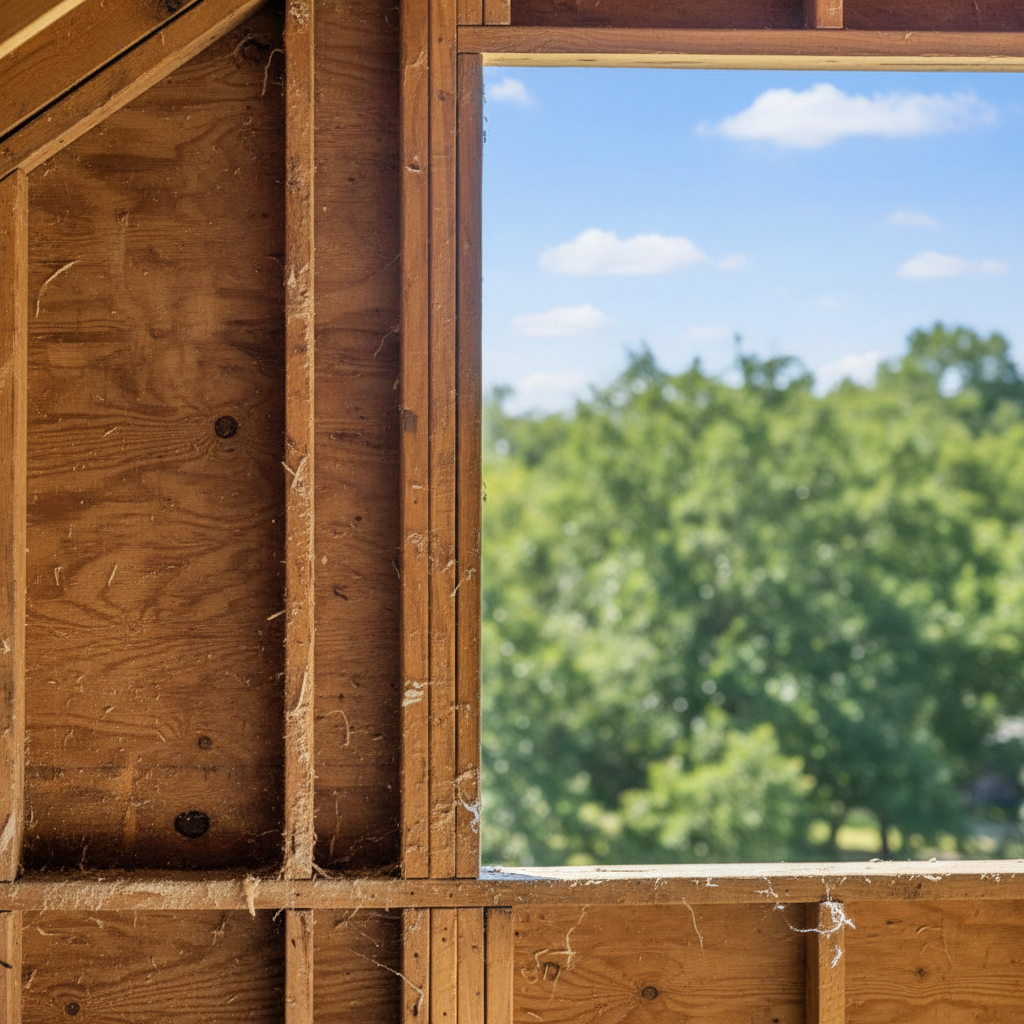
So, you're peeking into your attic and thinking, "That old insulation really needs to go." Maybe you've got critters living up there, or water damage, or you're just ready for an upgrade. Taking out insulation isn't always as simple as throwing on some gloves and hauling it away. There's a right way to do it, and a wrong way. Sometimes, honestly, trying to do it yourself is just plain dangerous.
Don't Touch It Until You Read This
First off, you absolutely have to figure out what kind of insulation you're dealing with. This step is critical. If it's fiberglass batts from the last 20 or 30 years, that's one thing. But if it's older, loose-fill material, it could be vermiculite, which often contains asbestos. You really, really don't want to mess with asbestos without proper containment and safety gear. In fact, you shouldn't be doing that yourself at all. Get it tested. Seriously. The same goes for anything that looks like it might have mold. Breathing in mold spores is no joke for your lungs, you know?
You also need to understand why you're removing it. Is it just old and packed down? Did a roof leak soak it through? Or, even worse, did raccoons decide your attic was their new luxury penthouse? The reason for removal will tell you how careful you need to be and what kind of cleanup you'll need after.
When DIY Might Actually Work (But Be Careful!)
Okay, let's say you've got relatively new, dry fiberglass batts. They're not moldy, and no pests have contaminated them. You're just pulling them out to put in something more efficient, like spray foam or new blown-in cellulose. In this very specific situation, you might be able to tackle it yourself, but you still need to be super, super careful.
- Gear Up: You'll need a full-face respirator (not just a flimsy dust mask), disposable coveralls, gloves, and eye protection. Fiberglass fibers are nasty. They'll make you itch like crazy, and you definitely don't want them in your lungs or eyes.
- Containment: Grab some heavy-duty contractor bags. Don't cheap out here. Bag everything up in the attic before you even think about bringing it downstairs. You really don't want those fibers floating through your house.
- Protect Your Home: Lay down tarps or plastic sheeting from the attic access point all the way to your exit. Seal off any vents or doorways leading into other parts of your house with plastic sheeting and painter's tape.
- Ventilation: Open windows if you can, and use fans to create negative pressure, pushing air out of the house.
- Disposal: Check with Schertz Public Works or your waste management provider about how to properly dispose of it. You can't just toss huge bags of insulation out with your regular trash, believe me.
It's a dirty, uncomfortable job, especially during a Schertz summer, even if you start early. Attics here get brutally hot, even when it's only 80 degrees outside. Dehydration is a very real risk, too.
When It's Time to Absolutely Call a Professional
Look, I've seen it all. Sometimes homeowners try to save a few bucks and end up creating a much bigger, more expensive mess. Here's when you should always, always call a professional like us at Peak Insulation Co:
- Asbestos or Suspected Asbestos: If you have vermiculite insulation, or any older material you suspect might contain asbestos, stop. Call a professional. This isn't just about your health; it's about proper, legal, and safe abatement.
- Mold Contamination: If your insulation is visibly moldy, or if you've had a significant water leak, you need pros. Mold remediation is specialized work. You definitely don't want to spread spores throughout your home.
- Pest Infestation: Rodents, raccoons, birds, bats – they leave behind droppings and urine that can carry diseases. This isn't just dirty; it's a biohazard. Professionals have the right equipment and cleaning protocols to safely remove contaminated insulation and sanitize the area.
- Extensive Damage: If the insulation is completely saturated, falling apart, or you're dealing with a huge volume, it's just too big a job for most DIYers to handle safely and efficiently.
- Limited Access or Safety Concerns: If your attic has tight spaces, exposed wiring, or structural issues, it's just not worth risking an injury.
What Happens After the Removal
Once the old stuff is out, whether you did it or a pro did, the work isn't quite finished. If there was any pest contamination or mold, the attic deck and framing need to be thoroughly cleaned and sanitized. We're talking specialized cleaning agents and sometimes even fogging to neutralize odors and kill lingering pathogens. You definitely don't want to install brand new, expensive insulation on top of a dirty, contaminated surface.
Then, it's time for the new insulation. Make sure you're sealing up any air leaks before the new stuff goes in. That's a whole other topic, but it's crucial for getting the most out of your new insulation. A lot of homes around Schertz, especially some of the older ones in areas like Cibolo Valley Ranch, have surprising gaps that let conditioned air escape. Sealing those up while the attic is empty is the smartest move you can make.
Ultimately, insulation removal can be a tricky, messy, and sometimes hazardous job. While a small, clean fiberglass batt removal might be doable for a very cautious and well-equipped homeowner, for anything more complex, calling in the pros is usually the safest and smartest bet. You'll save yourself a lot of headaches, and potentially, a lot of health risks too.